

How does social media marketing increase property sales? It helps estate agents, property developers and homeowners reach potential buyers, showcase properties and generate enquiries through platforms such as Facebook, Instagram and YouTube.
In today's competitive UK property market, buyers often research homes online before booking a viewing. High-quality property photos, virtual tours, short videos and local area guides can capture their attention and help them understand a property's features.
Social media also allows estate agents to build trust, share market updates and connect with people looking to buy or sell a home. However, getting likes and views is not enough. The real goal is to turn online engagement into qualified property leads, viewing appointments, offers and completed sales.
This guide explains how to use social media marketing effectively to achieve these results in 2026.
What is Social Media Marketing in the Property Industry?
Social media marketing in the property industry involves using platforms such as Facebook, Instagram, and YouTube to promote property listings, showcase homes and connect estate agents with potential buyers and sellers. It includes property photos, video tours, local market updates, customer reviews and paid advertising to generate property enquiries and viewing bookings.
The main goal is to increase property visibility, build trust and turn online interest into qualified leads and completed sales. Social media also supports property portals such as Rightmove and Zoopla by helping buyers discover homes and explore listings before arranging a viewing.
How Social Media Marketing Increases Property Sales
Social media marketing helps estate agents, property developers and homeowners promote property listings, reach potential buyers and generate qualified leads. Here are the main ways it can increase property sales.
1. Reaches Potential Buyers Beyond Property Portals
Social media promotes property listings to people who may not be actively browsing property websites. It helps estate agents reach first-time buyers, families and people planning to relocate.
- Share property listings on Facebook, Instagram and LinkedIn.
- Reach potential buyers beyond Rightmove and Zoopla.
- Increase property visibility and enquiries.
2. Showcases Properties Through Photos and Videos
High-quality property photos, video tours and virtual viewings help buyers understand a home's features before booking a visit. Engaging visuals can attract attention and encourage viewing requests.
- Post professional property photography and video tours.
- Highlight room sizes, gardens, layouts and key features.
- Use Instagram Reels, YouTube and Facebook videos.
3. Builds Trust Before the First Property Viewing
Regular, useful content helps estate agents build credibility with buyers and sellers. Customer reviews, local market updates and honest property information make people more confident about making an enquiry.
- Share genuine customer testimonials and reviews.
- Publish local property market updates.
- Provide accurate details about homes and asking prices.
4. Generate Property Enquiries and Viewing Bookings
Social media turns property interest into potential sales by directing users to enquiry forms, websites and viewing bookings. Paid adverts and quick follow-ups can help convert interested buyers into qualified leads.
- Add clear calls to action, such as “Book a Viewing”.
- Use lead forms and property landing pages.
- Respond promptly to buyer enquiries.
5. Promote Properties to Relevant Audiences
Social media advertising helps estate agents present suitable property listings to relevant audiences. Property features and advertising messages should match the home while complying with platform rules and fair housing requirements.
- Promote flats to relevant first-time buyer audiences.
- Highlight gardens and extra bedrooms in family homes.
- Showcase new-build properties and local amenities.
6. Encourage Property Sharing and Referrals
Useful and attractive property posts can be shared by buyers, sellers and local residents. Each share can introduce a listing to new people and generate additional enquiries.
- Create engaging property posts that people want to share.
- Encourage satisfied clients to recommend your services.
- Share listings in relevant local groups where permitted.
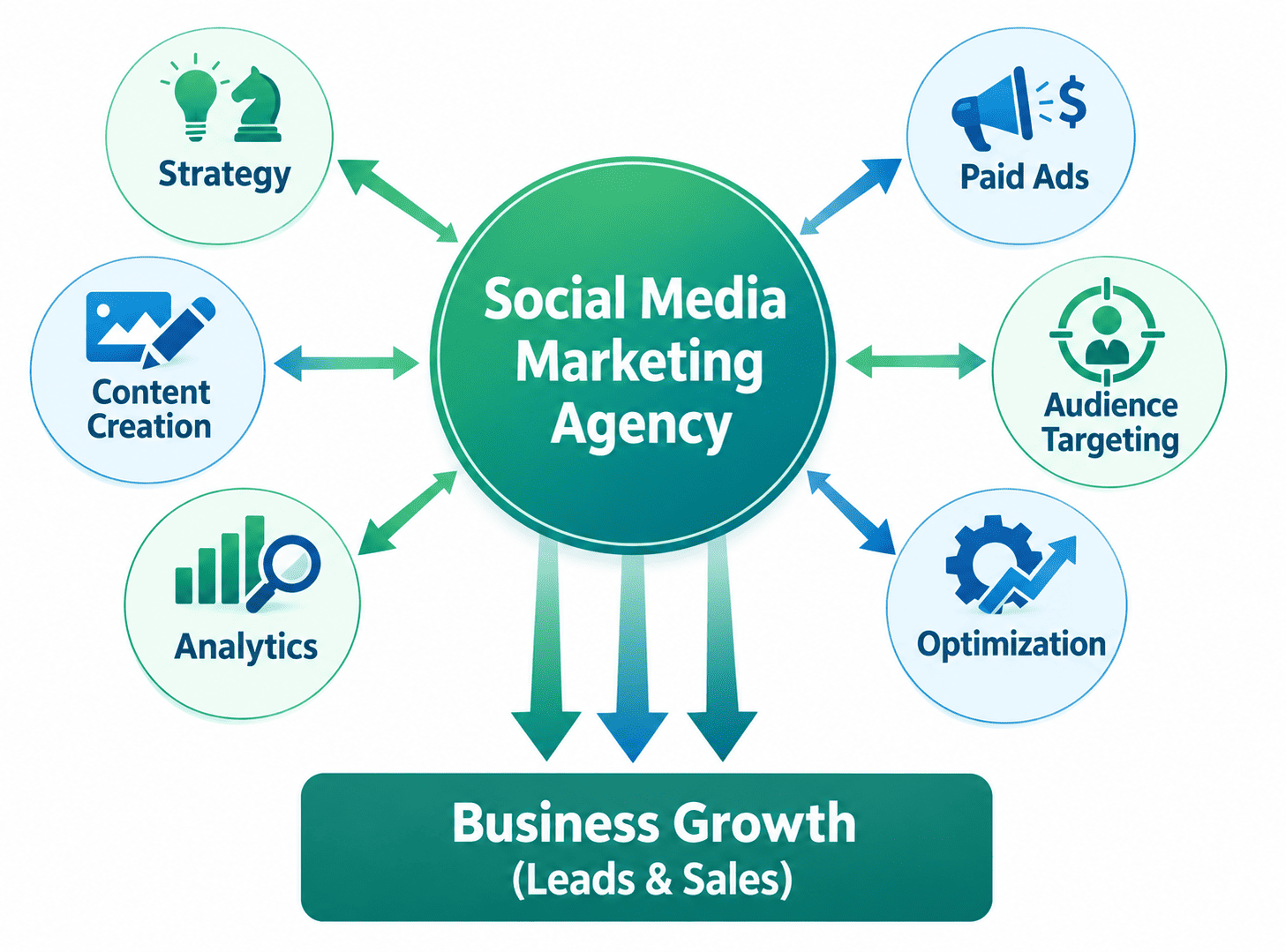
7. Keep Properties Visible Throughout the Buying Journey
Buyers often need time to compare homes, locations and prices before making a decision. Consistent social media content keeps property listings and estate agents visible while buyers consider their options.
- Repost available listings with accurate information.
- Share property walkthroughs and local area guides.
- Publish updates to encourage buyers to take the next step.
8. Attracts Property Sellers and Valuation Enquiries
Social media marketing can reach homeowners who are considering selling their property. Helpful selling advice and local market insights can encourage them to request a property valuation.
- Share tips on preparing a home for sale.
- Publish local sales trends and market updates.
- Add a clear call to action for valuation requests.
9. Builds Local Brand Awareness
Regular posts about properties, neighbourhoods and local amenities help estate agents become more recognisable in their area. Strong local awareness can encourage buyers and sellers to contact the agency when they need property services.
- Create content about schools, transport and local amenities.
- Share new listings and completed sales.
- Use relevant local keywords and location tags.
10. Track and Improve Property Marketing Results
Social media analytics show which property posts and adverts attract attention and generate enquiries. Tracking these results helps real estate businesses improve their marketing strategy and focus their budget on effective campaigns.
- Monitor reach, impressions, video views and engagement.
- Track website clicks, qualified leads and viewing bookings.
- Track cost per lead, offers and completed sales.
Which Social Media Platforms Are Best for Property Sales in 2026?
The best social media platforms for property sales depend on the target audience, property type and marketing goals. Facebook helps generate local enquiries, Instagram showcases property visuals, YouTube supports detailed property tours, and LinkedIn builds professional connections.
|
Platform |
Best for |
Recommended content |
|
|
Local property leads |
Listings, updates and adverts |
|
|
Visual property marketing |
Reels, photos and Stories |
|
YouTube |
Detailed property research |
Tours and educational videos |
|
|
Professional property connections |
Market insights and development news |
Focus on two or three platforms that match your audience and resources. Publish useful, consistent content and track property enquiries, viewing bookings and qualified leads to identify which channels generate the best results.
How to create a social media marketing strategy for property sales
A social media strategy should start with a business objective, not a posting schedule. The following steps provide a practical framework for UK estate agents and property businesses.
|
Step |
Strategy |
Key Actions |
|
Set Goals |
Define campaign objectives. |
Increase property enquiries, viewing bookings and valuation requests. |
|
Understand Buyers |
Identify property selling points. |
Highlight relevant features, location and amenities. |
|
Verify Details |
Ensure listing accuracy. |
Check prices, floor plans, tenure and property features. |
|
Create Content |
Showcase properties effectively. |
Use quality photos, videos and virtual tours. |
|
Write Captions |
Create clear, engaging posts. |
Highlight benefits and include a viewing link. |
|
Plan Posts |
Maintain consistency. |
Schedule regular posts and update listings. |
|
Run Ads |
Increase property visibility. |
Promote listings and monitor lead quality. |
|
Respond Quickly |
Convert interest into viewings. |
Answer enquiries and arrange appointments. |
|
Track Results |
Measure campaign performance. |
Monitor clicks, leads, viewing bookings and sales. |
How Social Media Advertising Works for Property Sales
Social media advertising helps estate agents promote property listings, reach potential buyers and generate qualified property leads through paid campaigns.
1. Property Awareness Campaigns
- Promote properties through photos, videos and virtual tours.
- Increase property visibility among relevant audiences.
- Track reach, impressions and video views.
2. Website Traffic Campaigns
- Direct potential buyers to property listings and websites.
- Use mobile-friendly pages with accurate property details.
- Track website visits, viewing requests and enquiries.
3. Property Lead Generation Campaigns
- Use lead forms to collect buyer or seller enquiries.
- Include a clear call to action, such as “Book a Viewing”.
- Follow up promptly and handle personal data responsibly.
4. Retargeting Campaigns
- Re-engage eligible users who have interacted with property content.
- Share relevant listings and property updates.
- Follow platform advertising rules and data protection requirements.
5. Compliant Property Ad Targeting
- Follow housing advertisement policies on platforms such as Facebook and Instagram.
- Check restrictions on audience targeting and advertising options.
- Use accurate property information and relevant campaign content.
Effective property advertising combines engaging content, compliant targeting, clear calls to action and regular performance tracking to turn online interest into property enquiries and viewing bookings.
How to track whether social media is increasing property sales
Social media performance should be measured across the whole journey from initial discovery to a completed transaction.
|
Stage |
What to track |
What it tells you |
|
Awareness |
Reach, impressions, video views |
Whether people are seeing the content |
|
Interest |
Engagement, clicks, listing visits |
Whether people are exploring the property |
|
Enquiries |
Qualified leads, viewing requests |
Whether interest is turning into potential business |
|
Sales |
Offers, agreed sales, completions |
Whether activity is contributing to commercial outcomes |
Common mistakes estate agents should avoid on social media
Social media can help generate property enquiries, but poor execution can waste time and money. Estate agents should avoid the following mistakes.
- Missing Property Details: Include prices, locations and key features in property posts.
- Chasing Likes: Focus on qualified leads, viewing bookings and completed sales.
- Reusing Identical Content: Adapt photos and videos to each social media platform.
- Ignoring Enquiries: Respond promptly to comments and direct messages.
- Using Misleading Images: Publish accurate property photos and disclose virtual staging.
- Making False Claims: Support property market statements with reliable evidence.
- Ignoring Performance: Track enquiries, conversions and advertising costs to improve results.
Conclusion
Want to turn property views into real sales? Social media marketing helps estate agents, property developers and homeowners reach potential buyers, showcase property listings and generate qualified enquiries. By using high-quality property photos, video tours, local area guides and targeted advertising, businesses can increase property visibility and build trust with buyers and sellers.
A consistent content strategy also encourages viewing bookings, valuation requests and stronger local brand awareness. However, success depends on accurate property information, engaging content, prompt responses and regular performance tracking.
Focus on meaningful results, such as qualified leads, property viewings, offers and completed sales, rather than likes alone. Start improving your social media strategy today to attract more buyers, increase property enquiries and achieve better property marketing results.
Ready to Sell More Properties?
Let WOWinfotech help you turn social media into property enquiries and sales. Contact us today to get started!
Frequently Asked Questions
Contact us to get a digital strategy
Contact us for digital strategy guidance.